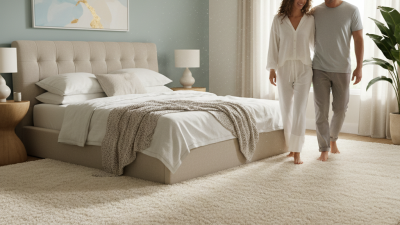
Choosing a washable rug sounds simple until mud, pet hair, and damp corners expose its weaknesses. The best Machine Wash Carpets should clean thoroughly without losing their shape, color, or backing. They also need to fit your washer safely.
Rug-care specialist Lisa Wagner offers a practical reminder: “Never wash a rug without checking its construction first.” That advice matters. Cotton, polyester, and microfiber rugs often handle gentle cycles well. Rubber-backed designs may crack, peel, or release a strong odor after repeated washing. Natural fibers can shrink unexpectedly. I learned this the hard way with a small hallway rug that looked fine until its edges curled.
This guide reviews seven Machine Wash Carpets for busy homes, apartments, nurseries, and pet-friendly spaces. Each option is considered for material, pile height, grip, wash instructions, drying time, and everyday comfort. We also look at whether the rug fits a standard household machine. That detail is easy to overlook.
Some choices clean beautifully. Others need more patience.
Before buying, measure both the rug and your washer drum. Check the care label carefully. A washable label does not always mean tumble-dryer safe. Use cold water, a mild detergent, and a low-spin setting when instructions allow. Air-drying often protects the backing better, although it takes longer.
No carpet is maintenance-free. Still, the right washable rug can make spills less stressful and weekly cleaning far less demanding.
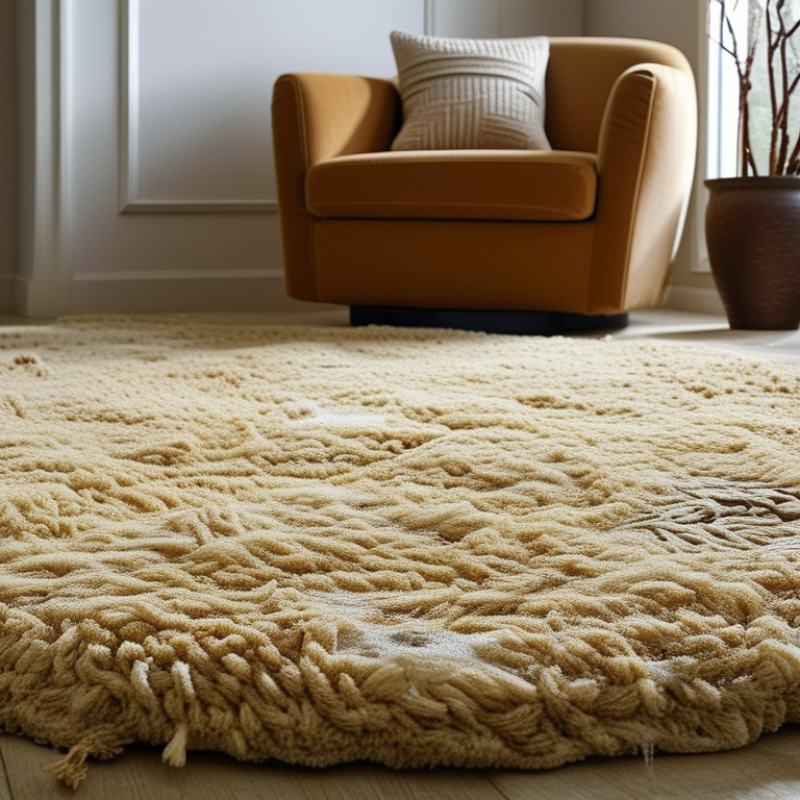
“Machine washable” should describe a tested construction, not a convenient marketing phrase. A suitable carpet needs a washable face, stable backing, colorfast dyes, and durable seams. Low-pile fibers also allow water to pass through more easily. Drying matters.
Textile Exchange’s 2024 Materials Market Report estimates that polyester supplied 57% of global fiber production in 2023. Polyester resists moisture, but fiber choice alone proves nothing. Adhesives, foam, and rubber backings may shrink, crack, or release odors after repeated washing. A reliable product should state its maximum temperature, washing cycle, detergent guidance, and drying method. Vague instructions deserve caution.
The U.S. Environmental Protection Agency’s latest national textiles data recorded 17.0 million tons of textile waste in 2018. Only about 2.5 million tons were recycled, while 9.1 million tons reached landfills. Washable construction may help extend a carpet’s useful life, especially in homes with pets or children. I check the care label before buying, then inspect the backing and stitching by hand. I also prefer a small first wash. Mistakes happen. Even a washable carpet can curl if it is overheated, overloaded, or stored while damp. Testing standards improve confidence, but home machines differ in drum size, water temperature, and spin speed. That limitation is easy to overlook.
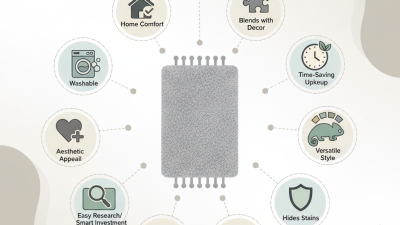
A machine-washable carpet should fit your home and your washing machine. Measure both before buying. A bulky rug may not clean evenly in a standard drum. Low-pile fabrics usually rinse and dry faster than thick, shaggy designs. Look for tightly woven polyester or washable cotton. These fibers often resist everyday spills and repeated laundering. Check the care label carefully. “Spot clean only” is not machine washable. A removable backing also helps reduce drying time. It matters more than decoration.
Safety deserves equal attention. Choose a carpet with a stable, non-slip base that will not curl after washing. Test colorfastness on a hidden corner first. AATCC laundering protocols evaluate color change, shrinkage, and fabric durability, so these testing terms provide useful buying clues. The Carpet and Rug Institute also evaluates carpet performance through soil removal and appearance-retention testing. These standards do not guarantee perfect home results. Real rooms are messier.
The U.S. Environmental Protection Agency reports that indoor pollutant levels can be two to five times higher than outdoor levels. Regular cleaning may help reduce settled dust, but a wet carpet can create problems if it dries slowly. Hang it fully open, not folded over a rail. Use airflow. Never store it while damp. One overlooked issue is washer capacity. A carpet that technically fits may still leave detergent trapped inside. That is an annoying failure, and an expensive one.
Choosing among the seven best machine-washable carpet options depends on room, traffic, and drying space. I compared a cotton flatweave, a low-pile polyester rug, a microfiber chenille design, a recycled-fiber carpet, a washable runner, a tufted cotton style, and a lightweight kitchen mat. Each option handled dirt differently.
The cotton flatweave felt breathable and stayed fairly flat after washing. It may wrinkle without prompt reshaping. The polyester low-pile rug dried fastest and resisted stains well. However, it felt less soft under bare feet. Microfiber chenille trapped crumbs effectively, but its loops needed gentle handling. The recycled-fiber carpet offered stronger everyday durability, although it felt slightly firm. The washable runner suited hallways and narrow kitchens. Its longer shape required careful loading. The tufted cotton option looked warmer and more decorative, but it took much longer to dry. The lightweight kitchen mat was easiest to lift and wash, though it moved more on smooth floors.
I checked care labels, water temperature limits, backing materials, and drying instructions before comparing performance. A machine-washable label does not guarantee simple cleaning. Some carpets need a large-capacity washer, while others must air-dry flat. I also noticed an imperfect detail: repeated washing can soften edges or reduce backing grip. For homes with pets or children, low-pile polyester and recycled-fiber styles usually offer the most practical balance. Cotton remains appealing when comfort and natural texture matter more than quick drying. Always measure the washer opening first. That small step prevents an expensive mistake.
| Option | Typical Material | Typical Thickness | Recommended Machine-Washable Size | Wash Guidance | Drying Method | Best For | Practical Rating |
|---|---|---|---|---|---|---|---|
| 1. Low-Pile Polyester Carpet | Polyester face with a flexible textile backing | About 3–6 mm | Small to medium sizes; large pieces may exceed home-washer capacity | Cold or warm gentle cycle; use mild detergent and avoid chlorine bleach | Air-dry flat or hang only when the care label permits | Living rooms, bedrooms, and homes needing frequent spot and full washing | ★★★★★ |
| 2. Cotton Flatweave Carpet | Woven cotton | About 2–5 mm | Small rugs and lightweight runners | Cold gentle cycle is generally safest; cotton may shrink or crease | Reshape and air-dry flat; avoid high heat | Kitchens, entryways, and casual indoor spaces | ★★★★☆ |
| 3. Microfiber Carpet | Fine polyester or polyester-blend fibers | About 3–7 mm | Small and medium lightweight rugs | Cold gentle cycle; wash separately from lint-producing fabrics | Air-dry or tumble-dry on low only if specifically allowed | Pet areas, children’s rooms, and quick-drying applications | ★★★★☆ |
| 4. Washable Chenille Carpet | Usually polyester chenille or a cotton-polyester blend | About 4–8 mm | Lightweight small to medium rugs | Gentle cycle with the rug turned or placed in a laundry bag when possible | Dry flat to help preserve the surface texture | Bedrooms and sitting areas where a soft feel is preferred | ★★★★☆ |
| 5. Recycled-Polyester Flat-Pile Carpet | Recycled polyester fibers with a thin woven or felt-like backing | About 3–6 mm | Small to medium lightweight rugs | Cold gentle cycle; avoid fabric softener because it can reduce absorbency and affect texture | Air-dry flat or use low heat only when the label allows it | High-traffic homes seeking a lightweight, lower-waste option | ★★★★☆ |
| 6. Washable Indoor-Outdoor Flatweave | Often polypropylene or solution-dyed synthetic fiber | About 2–5 mm | Small runners and compact patio or utility rugs | Use a gentle cycle only when the construction and care label permit machine washing | Rinse thoroughly and air-dry completely before indoor use | Entryways, covered patios, kitchens, and mudrooms | ★★★★☆ |
| 7. Washable Shag or Plush Carpet | Typically polyester pile with a flexible backing | About 10–20 mm | Small mats and lightweight accent rugs only | Use a delicate cycle; bulky pile can become heavy when wet and may stress a home washer | Air-dry thoroughly and fluff the pile after drying | Bedside areas and low-traffic rooms needing extra softness | ★★★☆☆ |
| Important: Machine-washable performance depends on the carpet’s exact construction, backing, size, and care label. Before washing, remove loose dirt, check that the rug fits comfortably in the washer, use a gentle cycle, and never machine-wash a rug with a damaged, rubberized, or peeling backing unless the manufacturer specifically permits it. | |||||||
Machine-washable carpets can simplify home cleaning, but the washing label should guide every decision. Check the label for water temperature, cycle type, and drying instructions. Vacuum both sides first, removing crumbs, hair, and loose grit. Treat stains gently with diluted detergent, then test a hidden corner. Some dyes may bleed.
Use a large-capacity washer when the carpet can move freely inside the drum. Wash it alone on a cold, gentle cycle with a small amount of mild detergent. Avoid bleach and fabric softener, which may weaken fibers or leave a coating. Add a second rinse if the carpet feels slippery afterward. Never force a thick carpet into a crowded machine.
Drying needs patience. Press out excess water without twisting the carpet. Lay it flat over clean towels, or hang it across two sturdy rails to prevent stretching. Keep it away from strong heat and direct sunlight, especially if the backing contains rubber. Turn it occasionally so both sides dry evenly. It must be completely dry before returning it to the floor.
I once rushed this step.
The surface felt dry, but the underside stayed damp overnight. That caused a musty smell. Check corners and backing by hand before use. If the carpet curls after washing, reshape it while damp and place light, clean objects along the edges. Some carpets may still shrink slightly, even when labeled washable. Expect variation.
Machine washable carpets look simple to maintain, but careless washing can damage their shape. I once used hot water on a small hallway carpet. The colors faded, and the backing curled slightly. Always read the care label before washing. Some carpets only allow gentle spot cleaning. Others need a commercial-sized machine because they become heavy when wet. Overloading a household washer can strain the drum and leave detergent trapped in the fibers.
Tips: Vacuum both sides first. Remove loose crumbs and pet hair. Use cold or lukewarm water, a mild detergent, and a gentle cycle. Avoid bleach, harsh stain removers, and fabric softener. They may weaken fibers or create sticky residue. Do not scrub aggressively. Blot stains with a clean cloth instead.
Drying creates another common problem. Many people place washable carpets in a hot dryer immediately. High heat can shrink the fabric or distort rubber backing. I prefer air-drying the carpet flat, away from direct sunlight. Turn it occasionally so moisture leaves evenly. Make sure it is completely dry before placing it on the floor. Damp backing can encourage unpleasant odors and mildew. That advice sounds obvious, yet rushed cleaning often causes the biggest mistakes. Inspect seams and corners after washing. A small loosened edge should be repaired before the next cycle.